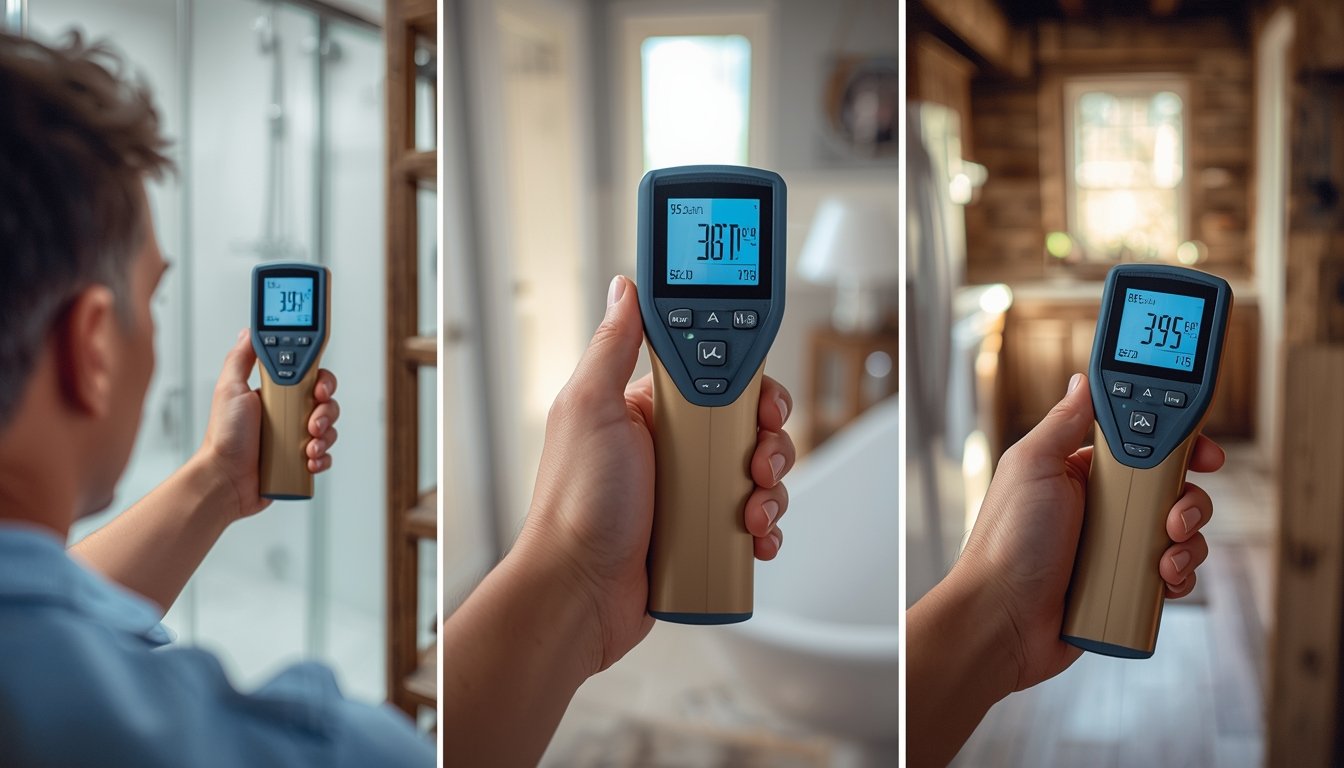
To calibrate a moisture meter, you typically use a calibration block or reference standard to check that the meter is reading correctly. Most modern meters either auto-calibrate or include a simple calibration check built into the device.
The goal is to confirm that your meter is giving accurate and consistent readings before you rely on it for detecting moisture problems.
How to Calibrate a Moisture Meter Step by Step
The exact process depends on the type of meter you have, but most follow a similar method. Calibration is usually quick and only takes a few minutes.
Before starting, make sure your meter has fresh batteries and is set to the correct mode. This ensures the calibration process is reliable.
- Turn on the meter: Allow it to stabilise for a few seconds
- Use a calibration block: Place the meter on the provided reference surface
- Check the reading: It should match the value specified by the manufacturer
- Adjust if needed: Some meters allow manual calibration adjustments
If your meter doesn’t come with a calibration block, many models have an internal calibration check function that you can activate instead.
In most cases, calibration isn’t about adjusting the device—it’s about confirming that it is still reading accurately.
When and Why Calibration Is Needed
Moisture meters don’t need constant calibration, but checking them periodically helps ensure reliable readings. Over time, factors like wear, temperature changes, or battery issues can affect accuracy.
Knowing when to calibrate helps prevent misleading results and avoids unnecessary concern about moisture problems.
- Before important inspections: Ensures accuracy when results matter most
- After long periods of storage: Devices can drift when not used regularly
- If readings seem inconsistent: A calibration check can confirm accuracy
- After battery replacement: Some meters may reset or behave differently
A common mistake is assuming that unusual readings mean the meter is faulty. In many cases, the issue is related to settings or testing conditions rather than calibration.
If you’re unsure whether the readings are correct, it helps to understand moisture meter readings and scales, so you can better judge whether the results make sense.
How to Maintain Accuracy After Calibration
Calibration is only part of keeping your moisture meter accurate. Consistent use and proper handling play a big role in maintaining reliable readings.
Simple habits can help you avoid issues and extend the life of your device.
- Store the meter in a dry, stable environment
- Avoid dropping or exposing it to extreme conditions
- Use the correct settings for each material you test
- Take multiple readings to confirm results
Regularly checking your meter against known dry materials is another easy way to confirm it is still working correctly.
A common mistake is relying on a single reading without comparison. Even a properly calibrated meter works best when you look at patterns across multiple areas.
By combining periodic calibration checks with consistent testing techniques, you can trust your moisture meter to provide accurate and useful results in most situations.