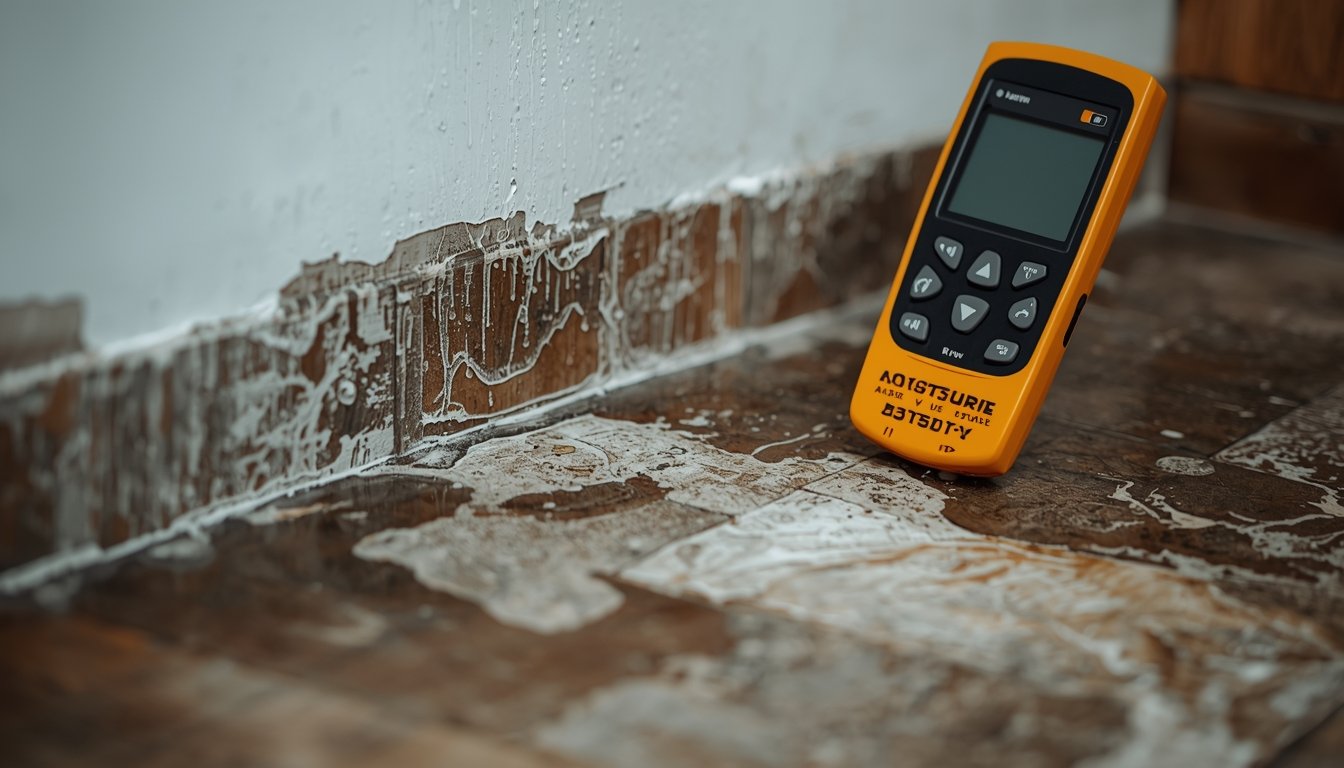
Hidden moisture in a home can lead to mold, structural damage, and costly repairs if it goes undetected. The most effective way to find it is by combining visual inspection with systematic moisture meter testing to identify areas where moisture is present beneath the surface.
This step-by-step approach helps you locate moisture early, even when there are no obvious signs. If you’re new to the process, it helps to first understand how moisture meters work and when to use them so you can interpret your findings correctly.
Step 1: Identify High-Risk Areas First
- Bathrooms and kitchens: High humidity and frequent water use
- Basements and crawl spaces: Poor ventilation and ground moisture
- Around windows and doors: Common entry points for water
- Under sinks and near plumbing: Hidden leaks often develop here
Before using any tools, start by identifying where moisture is most likely to occur. These high-risk areas are the best places to begin your inspection because they are more prone to leaks, condensation, and damp conditions.
Moisture problems rarely appear randomly. They usually develop in predictable locations where water is present or airflow is limited. By focusing on these areas first, you increase your chances of finding issues quickly.
Even if everything looks normal, these locations should still be checked. Hidden moisture often builds up behind surfaces, making it difficult to detect without proper testing.
This first step sets the foundation for the rest of the process. Once you know where to look, you can move on to more detailed inspection and testing.
Step 2: Look for Early Warning Signs
- Discoloration: Dark patches or stains on walls and ceilings
- Peeling paint: Bubbling or flaking finishes
- Musty smell: Indicates damp conditions or mold risk
- Soft surfaces: Walls or floors that feel slightly spongy
Visual and physical signs often provide the first clues that moisture is present. These signs may appear before the problem becomes severe, making them important indicators.
Discoloration and staining are common signs of water intrusion. These marks often show where moisture has been absorbed into the material.
A musty smell is another strong indicator. Even if there are no visible signs, this odor suggests that moisture is present and may be supporting mold growth.
Checking for these signs helps you narrow down where to focus your moisture meter testing. It also provides confirmation if readings later show elevated moisture levels.
Combining visual inspection with testing gives you a more complete understanding of what’s happening behind surfaces.
Step 3: Use a Moisture Meter to Scan Surfaces
Once you’ve identified potential problem areas, the next step is to use a moisture meter to detect hidden moisture beneath the surface. This is where you move from observation to measurement.
Start by testing a known dry area to establish a baseline. This gives you a reference point so you can recognise when readings are elevated in other locations.
Move slowly across walls, floors, and ceilings, taking multiple readings as you go. Moisture problems usually appear as higher readings in specific areas rather than evenly across a surface.
Focus on comparing readings rather than relying on a single number. A section that reads higher than surrounding areas is often where moisture is trapped.
Scanning in a grid pattern helps ensure you don’t miss any spots. This method is especially useful for detecting moisture behind walls or under flooring.
Using the meter consistently and methodically is key to getting reliable results.
Step 4: Compare Readings and Identify Patterns
Interpreting the readings correctly is just as important as taking them. Moisture meters are most effective when used to compare different areas rather than relying on a single measurement.
Start by comparing readings from suspected problem areas with nearby dry sections. This helps you determine whether a reading is actually elevated.
If you notice consistent higher readings in one location, it usually indicates moisture is present. This is especially true if the readings remain elevated when retested.
Patterns are more important than exact numbers. Even if your meter uses a relative scale, differences between areas can still reveal hidden issues.
Retesting over time can also help confirm whether the problem is ongoing. If readings increase or stay high, it suggests moisture is still present.
This step allows you to move from detection to understanding, helping you decide what action to take next.
Step 5: Confirm the Source of Moisture
Once you’ve identified an area with elevated readings, the next step is to find the source of the moisture. This is essential for resolving the problem rather than just identifying it.
Moisture can come from several sources, including leaks, condensation, or water intrusion from outside. Identifying the source helps you determine the best solution.
Check nearby areas such as pipes, windows, roofs, and external walls. These are common sources of moisture problems.
In some cases, moisture may travel through materials, so the highest reading may not be directly at the source. Expanding your inspection area can help you trace where the moisture is coming from.
If the source is not obvious, monitoring the area over time can provide clues. Changes in readings can indicate whether the issue is active or improving.
Addressing the source is critical to preventing further damage and ensuring the problem does not return.
Step 6: Take Action and Prevent Future Issues
After identifying both the moisture and its source, the final step is taking action to resolve the issue and prevent it from happening again.
Start by fixing any leaks or sources of water intrusion. This may involve repairing plumbing, sealing gaps, or improving drainage around the home.
Improving ventilation is also important, especially in areas prone to condensation. Proper airflow helps reduce moisture buildup and keeps materials dry.
Drying affected materials is essential. Depending on the severity, this may involve using fans, dehumidifiers, or professional drying services.
Regular monitoring with a moisture meter can help ensure the problem is fully resolved. Checking readings over time confirms that moisture levels have returned to normal.
By combining early detection, proper repair, and ongoing monitoring, you can protect your home from moisture-related damage.